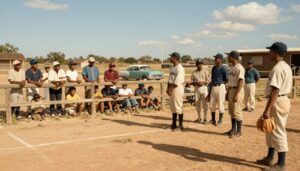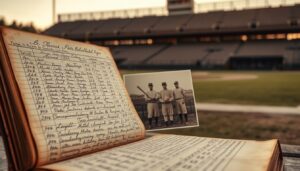
Let’s be honest about MLB stars and their origin myths. The polished narratives often miss the messy, fascinating truth about what forges a phenom.
Wilson Álvarez’s story starts in Maracaibo, a city where Little League felt like the majors. By 14, he’d thrown a dozen no-hitters. The Texas Rangers signed him young, calling him a savior before his voice changed. That’s not just pressure; it’s a psychological experiment.
Fernando Valenzuela’s origin is the opposite. He was the youngest of twelve in a tiny Mexican pueblo. Scout Mike Brito found him almost by accident. Valenzuela’s rise through the Mexican leagues was swift, quiet, and without fanfare.
So what’s the real story? It’s about the incubator. One was a pressure cooker, the other a humble workshop. Both produced iconic talent, but the baggage each carried to the mound? That’s where the drama begins.
Relationships with Hometowns
What is a hometown? Is it just a zip code, or is it more? It’s a place that claims you and sees its own success in yours. For the Texas-born athlete, this answer might seem simple. But the idea of a hometown hero is very flexible.
Wilson Álvarez’s hometown is Maracaibo, Venezuela. But after his 1991 no-hitter for the Chicago White Sox, his hometown became Venezuela. This was more than a sports story. It was a cultural moment that made headlines and celebrated him nationwide.
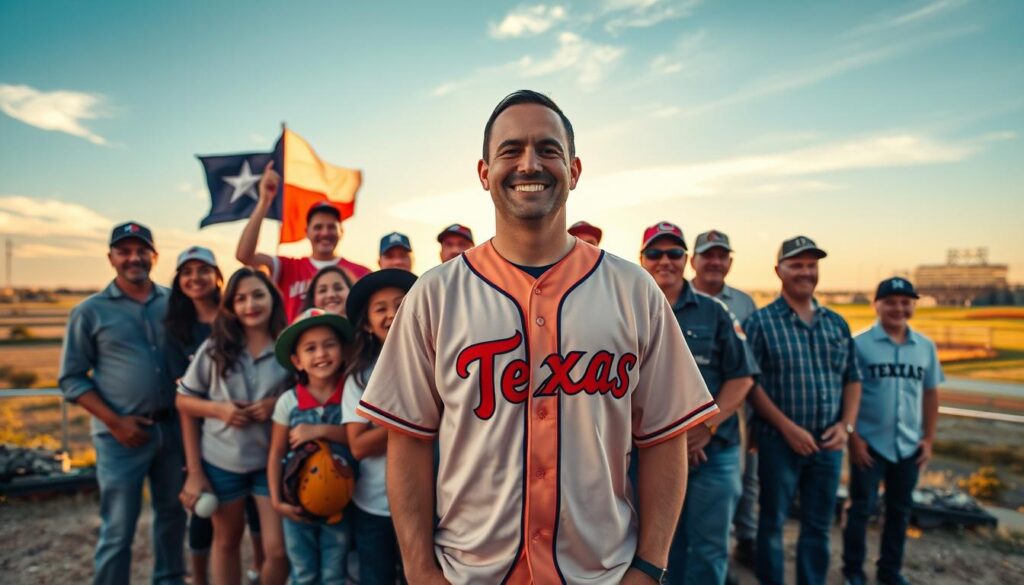
Álvarez’s connection to Maracaibo grew stronger with “El Juego de la Chinita.” This game combined baseball with local faith. For him, the mound was sacred. For his city, his pitching was divine.
Fernando Valenzuela’s birthplace is Etchohuaquila, a small spot on the map. But his true hometown was Los Angeles’s Latino community in the 1980s. He didn’t just throw a screwball; he gave hope to a community.
Fans like Eva Torres saw more than a pitcher in Valenzuela. They saw an immigrant success story. The murals on Sunset Boulevard were more than art; they were a symbol of ownership. LA adopted him, and he gave the city a native son.
This relationship is a two-way street. The community’s pride grows, and the athlete carries a symbolic burden. It’s about representation and continuous homecoming, explored in resources on athletes’ expectations.
Let’s explore this hometown phenomenon. It shows up in a few ways:
| Hometown Archetype | Defining Relationship | Athlete’s Role | Community’s Gift |
|---|---|---|---|
| The Birthplace | Literal, geographical origin. | Local kid who made good. | Pride in roots; often a statue or field name. |
| The Adopted City | Chosen or circumstantial home. | Symbol for a specific demographic or urban identity. | A new identity and fervent, localized support. |
| The National Symbol | Entire country claims the athlete. | Unifying figure and international ambassador. | Elevated status to a cultural icon; immense pressure. |
| The Diaspora Hero | Represents an ethnic community within a larger nation. | Bridge between old world and new; proof of possibility. | Deep cultural connection and personal identification. |
Valenzuela and Álvarez both fit into the last two categories. The relationship is always symbiotic. The community’s love fuels the athlete, and the athlete’s success validates the community’s pride.
But this love can be overwhelming. Every slump is a disappointment for the community. Every contract negotiation feels like a betrayal. The hero belongs to the people.
So, when we talk about Texas-born legends or any local hero, we’re not just talking about where they’re from. We’re talking about a psychological contract. The athlete gives excellence and a piece of their story. The hometown gives meaning, context, and a weight that can either lift or sink a career. It’s about who claims you, not just where you’re from. For more on this, look into the legacy of Texas-born legends and how they’re made.
Charitable Initiatives
What if a player’s greatest act wasn’t a donation, but a choice? The community impact of sports icons often goes beyond just giving money. It’s a deeper investment of themselves into the community that made them.
Luis Aparicio and Wilson Álvarez saw giving back as a matter of pride. Unlike many MLB clubs, Álvarez believed in giving back to his hometown Zulia team. Pitching for them was a way to honor his roots and inspire others.
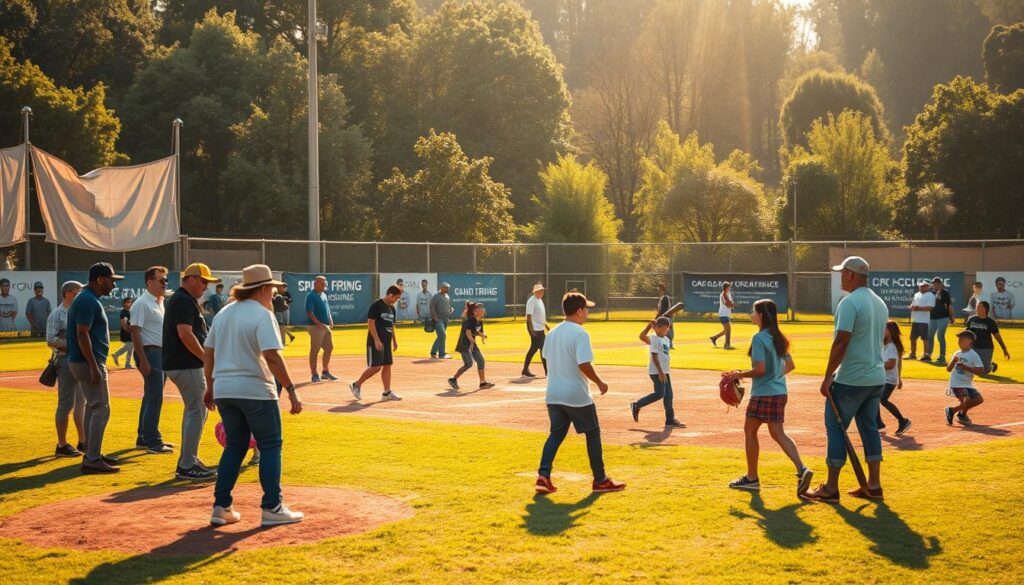
Fernando Valenzuela used his voice for charity. For over 20 years, he did more than just call games. He bridged cultures, making baseball accessible to Spanish-speaking fans. His work with the World Baseball Classic aimed to elevate the game in Mexico.
This changes how we see impact. It’s not just about money raised. It’s about inspiring kids to play, making fans feel included, and strengthening the sport’s roots. This kind of community impact leaves a lasting legacy that money can’t match.
| Aspect | Traditional Philanthropy | Personal & Cultural Investment |
|---|---|---|
| Primary Currency | Monetary Donation | Time, Presence, Authenticity |
| Impact Timeline | Often Project-Based, Finite | Continuous, Generational |
| Key Metric | Funds Disbursed | Inspiration Generated, Access Created |
| Connection to Source | Can be Abstracted | Intimately Tied to Personal Origin Story |
This isn’t to say that monetary donations are unimportant. Modern corporate philanthropy, like the celebration of hometown heroes, is vital. But the community impact we’re talking about is more personal. It’s the autograph that sparks a dream, the accent on the radio that makes a family feel at home.
Álvarez’s winter ball innings and Valenzuela’s broadcasts were their gifts. They strengthened the cultural fabric of their sports. They showed that the most valuable thing they could give wasn’t always money. It was proof that the path home remains open.
Continued Legacy
What’s left when a fastball loses its speed? Legacy. Wilson Álvarez’s legacy is clear in one brand. His nickname, “El Intocable,” is more than a cool name. It’s a key part of Venezuelan baseball history, thanks to his 1991 pitching Triple Crown.
Fernando Valenzuela’s legacy is even more solid. The Dodgers retired his number 34, breaking their own rule. This act shows his impact. His jersey retirement in the Mexican League was a national recognition.
His status as the all-time MLB wins leader among Mexican-born players is a fact. His second career as a broadcaster showed he was more than just a player. These legends are now symbols, murals, and permanent parts of their communities. Their stories are just beginning.