For decades, America’s favorite pastime was divided. The era of Jim Crow laws enforced racial segregation in all areas, including sports.
African American athletes, full of talent, were kept out of the white Major Leagues. But they didn’t stop playing the game they loved.
They created their own world of black baseball. This separate league became a source of pride and economic growth for communities.
A man from Texas, Rube Foster, was the visionary. In 1920, he started the Negro National League. It gave athletes a place to play despite racism.
This movement was more than games. It was a bold statement of resilience and business spirit. Teams across Texas, as detailed in the history of Negro League baseball, became cultural icons.
They made local ballparks centers of social life and black economic power. The story of these leagues is key to understanding sports history and the fight against segregation.
Pioneering Teams and Ballparks
The Austin Black Senators, Dallas Black Giants, and Houston Black Buffaloes were more than just baseball teams. They were symbols of pride and community spirit. These teams were the heart of Black baseball in Texas from the early to mid-1900s.
The Austin Black Senators were a major force. They brought excitement and showed local pride. Their games were big events, attracting fans from all over.
In the north, the Dallas Black Giants were known for their competitive spirit. The Houston Black Buffaloes showcased the region’s top athletes. Together, they made Negro Leagues Texas baseball vibrant.
Finding a place to play was a constant fight. Owners often had to negotiate with white stadium owners. This was similar to Rube Foster’s experience in Chicago.
In Texas, teams had to find creative solutions. They traveled far and wide, playing anyone, anywhere. This “barnstorming” strategy was key for Black baseball to survive.
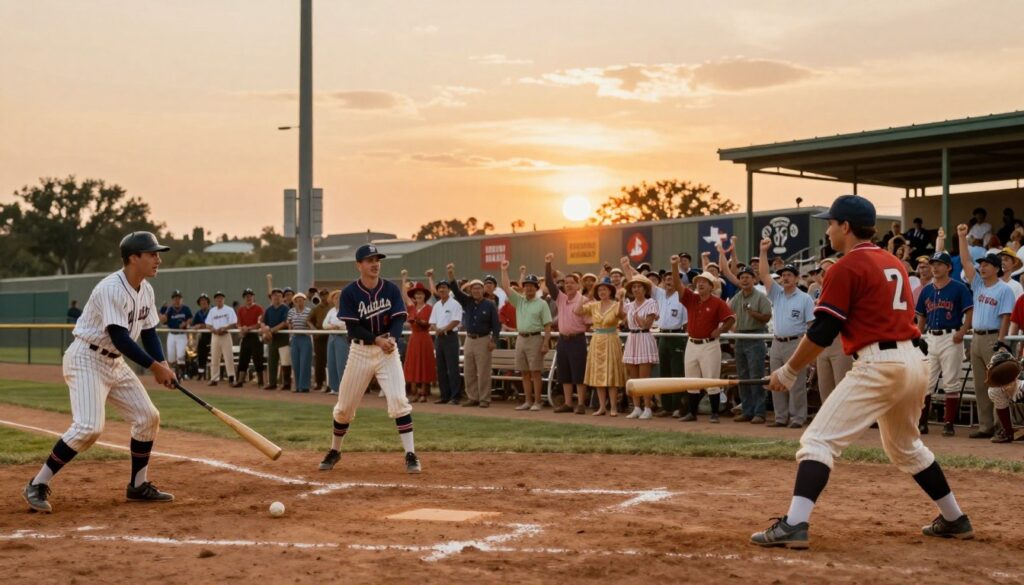
Getting a permanent home was rare due to segregation and limited funds. Teams often shared or borrowed fields. Despite big crowds, financial stability was always a challenge. The quest for a permanent field was a defining part of the Negro Leagues Texas journey.
| Team | City | Era of Prominence | Notable Home Field Challenge |
|---|---|---|---|
| Austin Black Senators | Austin | 1920s-1940s | Played in city parks and semi-pro fields, often sharing with white teams. |
| Dallas Black Giants | Dallas | 1920s-1930s | Utilized Elm Street Park and other municipal grounds, securing dates through negotiation. |
| Houston Black Buffaloes | Houston | 1920s-1940s | Hosted games at West End Park, facing scheduling conflicts with other tenant teams. |
| Fort Worth Black Panthers | Fort Worth | 1920s | An example of a shorter-lived team that barnstormed heavily due to lack of a fixed home. |
These teams laid a critical foundation. They showed the market and passion for Black baseball in Texas. Their games were thrilling, but the community experience went beyond the game.
Community Hubs: Churches, Barbershops, and Game Day
Churches and barbershops were the heart of Black baseball in Texas. They were where fans got the latest news and bought tickets. These spots turned a game into a big community event.
Churches were key for organizing game day. After Sunday services, everyone talked about the game. Ministers would announce game times. Church halls helped fans without cars get to the game.
Barbershops were also key. They were where fans debated strategy and made legends. Barbers sold tickets and fans talked about the game while getting haircuts. It was a place for everyone to share their love for baseball.
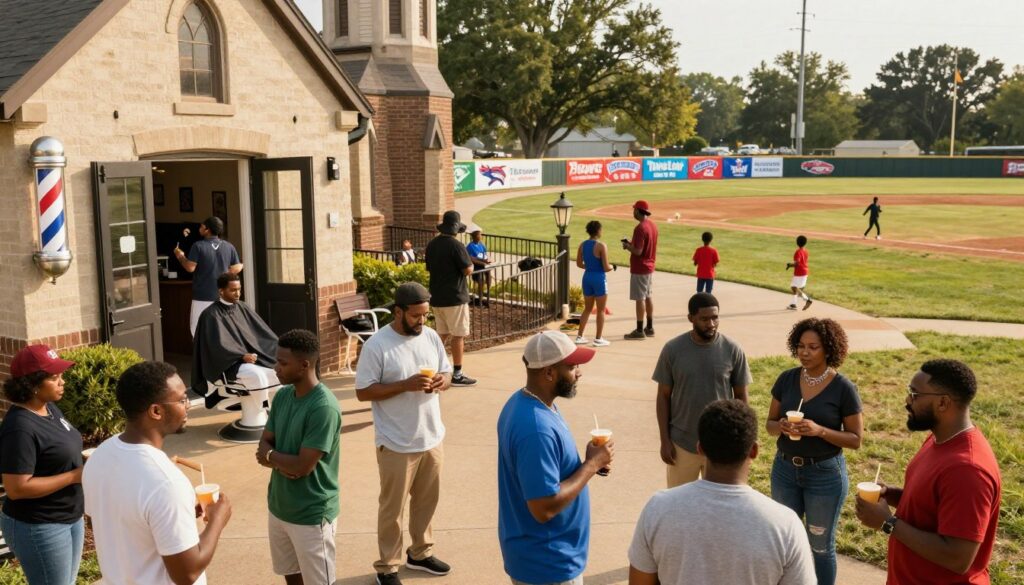
Game day was a big community event. It was a break from segregation. Families wore their best to the game. The ballpark was a place for friends, music, and food.
Winning brought huge pride to the neighborhood. Players were seen as heroes, like doctors and lawyers.
Today, baseball is a unifying force again. Urban youth leagues offer a positive space and build connections. Like Black baseball did, they provide a refuge and foster community.
| Community Hub | Primary Function | Social Role | Impact on Game Day |
|---|---|---|---|
| Church | Announcements & Travel Coordination | Moral & Spiritual Center | Mobilized entire congregations to attend as a group. |
| Barbershop | Ticket Sales & Strategy Talk | Informal Town Hall | Generated local hype and facilitated fan access. |
| The Ballpark | Hosting the Game | Cultural Gathering Place | Provided a safe space for celebration and community pride. |
These hubs formed a strong support system for Black baseball during segregation. They made the sport a big part of daily life. Games were more than sports; they were community rituals that strengthened bonds and celebrated culture.
Barnstorming Legends Visiting Texas
Rube Foster’s barnstorming tours made Texas a key spot for Black baseball stars. These tours were more than games. They were mobile showcases of skill and strategy.
Foster, a visionary manager and pitcher, organized extensive tours. His teams played against local white clubs. These matches showed the skill of African American players and introduced new tactics like the hit-and-run.
The entertainment was huge. The Indianapolis Clowns brought their showmanship to Texas. Their visits mixed athletic excellence with comedy and crowd interaction. For many, this was their only chance to see Negro Leagues Texas live.
Traveling was a big part of their life. Teams moved by bus or car, playing a new town each day. Games were held in various places, from minor league parks to makeshift fields. This allowed them to reach both big cities and small towns.
The social impact was huge. These games challenged racial stereotypes in public. When Black players beat local white teams, it sparked conversations. The games also united communities, drawing diverse crowds for top sports.
The legacy of these visits is strong. They spread the word of Black baseball across Texas. They created lasting memories for fans and opened doors for future integration. The spirit of these traveling legends is a key part of the Negro Leagues Texas story.
Pathways to Integration
The Negro Leagues in Texas were full of amazing talent. But, the path to joining professional baseball was blocked by rules and prejudice. Segregation was enforced by MLB Commissioner Kenesaw Mountain Landis, who banned games between races. Yet, players like Babe Ruth broke these rules by playing against Negro Leagues teams.
For years, people dreamed of a unified league. Rube Foster, the founder of the Negro National League, wanted players of all races to compete together. The Negro Leagues Texas were not just separate; they were a proving ground for elite talent. This talent made the case for integration both moral and practical.
Jackie Robinson’s entry into the Brooklyn Dodgers in 1947 was a major breakthrough. But, many Texas players faced the same Jim Crow laws and resistance. The journey to full integration was long and hard.
Today, efforts to promote diversity in baseball continue. Programs like the Dream Series and RBI aim to give young athletes from all backgrounds a chance. These efforts honor the legacy of the Texas Negro Leagues and the community support they had.
The story of integration is one of great progress and ongoing effort. The pathways from the Negro Leagues to the majors were built by skill and determination. Modern programs keep building bridges, ensuring baseball is inclusive for all.
Preserving Sites and Stories
The legacy of Texas Negro Leagues is kept alive by saving its landmarks and stories. This effort honors the athletes who played under strict segregation.
The Negro Leagues Baseball Museum in Kansas City is at the forefront of this mission. Its Buck O’Neil Education and Research Center, located in the historic Paseo YMCA, protects artifacts and research. It makes sure the stories of Black baseball pioneers are not forgotten.
In Texas, local projects place historical markers at old ballpark sites. Oral history initiatives also record memories from former players and fans. These efforts turn community pride into lasting education.
Preservation fights against the erasure caused by segregation. It connects the past to today’s support for youth teams in underserved areas. Remembering this history inspires new generations to value the cultural footprint of Texas Black baseball.