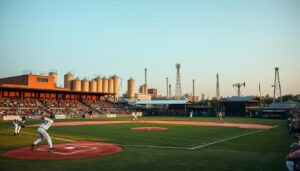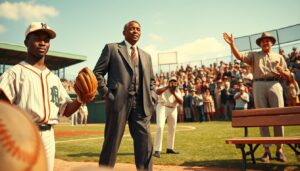
For decades, the sound of a bat hitting a ball was more than a game. It was a symbol of community pride in towns across Texas. The local baseball field was a place where people came together.
This minor league baseball circuit was key to building civic pride. It became a part of everyday life, influencing culture and economy. Arcadia Publishing’s records highlight its role in the region’s growth.
Teams in these towns helped create a sense of place and belonging. This connection between past and present shows the power of hometown loyalty.
Origins of the Texas League
Before famous ballparks, the Texas League started with a simple goal. It aimed to unite growing towns. In the late 19th century, Texas was changing from a rural area to a network of cities.
The league was a step toward modern life. It was made possible by social and economic changes. Railroads connected the state, and new industries brought wealth.
Towns like Dallas, Fort Worth, and San Antonio were growing fast. People wanted entertainment and a way to show pride. Baseball was the perfect choice.
The Texas League history officially began in 1888. Eight teams played in the first season. It was more than sports; it was a statement of towns’ importance.
The league’s start is part of a bigger American story. As the Smithsonian’s “Hometown Teams” shows, sports often start at home. For Texas towns, the league was a way to unite and show pride.
The league’s first teams were from major cities. Their participation showed the state’s progress. Below is a list of these pioneering clubs.
| Team Name | City | Early Significance |
|---|---|---|
| Dallas Hams | Dallas | Represented the emerging commercial hub of North Texas. |
| Houston Babies | Houston | Brought professional baseball to the burgeoning Gulf Coast port city. |
| Galveston Sand Crabs | Galveston | Highlighted the importance of the state’s premier seaport at the time. |
| San Antonio Missionaries | San Antonio | Connected the league’s identity to the city’s deep cultural history. |
| Fort Worth Panthers | Fort Worth | Embodied the spirit of the cattle-driving “Cowtown” entering a new era. |
The league faced challenges early on. Teams struggled with travel and money issues. But, the idea was strong. It showed baseball could thrive in Texas and define a town’s spirit.
Railroad, Oil, and the Rise of Ballparks
Oil derricks in Texas pumped out more than just oil. They helped fund grand projects like iconic ballparks. This led to the Texas League becoming a reality for many minor league towns.
The first step was the expansion of railroads. They connected cities like San Antonio, Fort Worth, and El Paso. This network made it possible for teams to travel reliably, creating a regular schedule. Before railroads, a professional league was almost impossible.
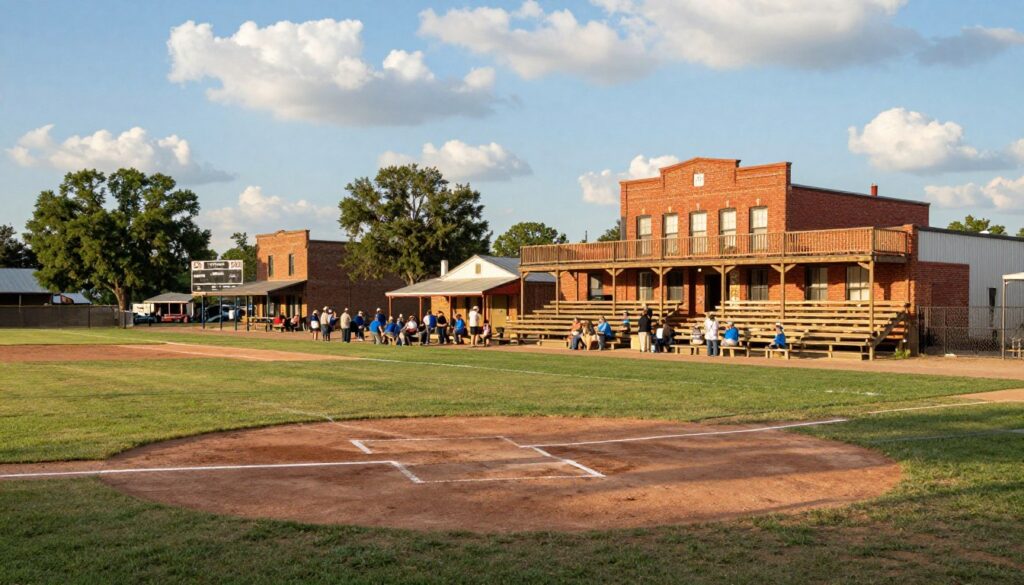
The oil booms of the early 20th century brought in the money. Towns with oil wealth invested in civic projects. They built permanent ballparks with wooden and later steel grandstands. These structures showed a town’s prosperity and love for baseball.
As the “Hometown Teams” exhibition notes, a field of grass becomes a field of dreams. Dedicated spaces are key for sports culture. Texas League stadiums became such spaces, making memories for the community.
This wasn’t just for big projects. Mexican American communities, formed around railroad work, also invested. In places like El Ranchito, they built Athletic Parks. These fields were vital community spots, showing the universal need for a place to play and gather.
The rise of these parks changed towns. They were no longer just stops on a map. They became destinations with their own identity. The table below shows how different minor league towns used their unique economies to build these sports cathedrals.
| Ballpark Name | Town | Year Built | Primary Funding Source | Notable Feature |
|---|---|---|---|---|
| V.J. Keefe Field | San Antonio | 1914 | Railroad Commerce | Wooden grandstand near rail yards |
| LaGrave Field | Fort Worth | 1926 | Oil Wealth | Early steel grandstand construction |
| Dudley Field | El Paso | 1915 | Railroad & Mining | Unique adobe-style construction |
| Athletic Park (El Ranchito) | Mexican American Community | ~1920s | Community Funded | Grass field built by local volunteers |
These ballparks did more than host games. They anchored neighborhoods and became sources of pride. A permanent stadium showed a town had arrived, earning it a badge of honor in Texas.
The combination of railroads and oil created a golden age for Texas League infrastructure. It changed baseball in minor league towns. Fans no longer watched a passing show. They gathered in a place they could call their own, season after season.
Case Studies: San Antonio, Fort Worth, El Paso, Round Rock
San Antonio, Fort Worth, El Paso, and Round Rock each have their own story of how a minor league baseball team became a key part of community life. By looking closely at these cities, we see how these teams became a big part of their annual rhythms, social networks, and history. This shows how these teams helped shape the identity of their towns.
The San Antonio Missions are more than just a baseball team. They are a symbol of the city’s diverse culture. The team’s name and traditions celebrate the area’s Spanish and Mexican roots.
This connection helped bring people together. Games at Missions Stadium became a place where people from all walks of life could come together. The team also helped local businesses thrive, making game days lively and bustling.
Fort Worth Cats: Grit and the Spirit of the Stockyards
In Fort Worth, the Cats were seen as a team that reflected the city’s tough, working-class spirit. The team’s blue-collar values resonated with a city built on cattle, railroads, and oil. Their success on the field made the city proud in the mid-20th century.
The Cats were a big part of the community. Families for generations watched games at LaGrave Field. Stories of legendary players and big wins were passed down, making the team a big part of the city’s history.
El Paso Diablos: Baseball on the Border
The El Paso Diablos show how a team can reflect and shape its community. As a border city, El Paso’s identity is deeply connected to its binational culture. The Diablos, during their time at Dudley Dome, embraced this.
The team brought people together and gave the community pride. Promotions and outreach helped bridge cultural gaps, making the ballpark a place of unity. The Diablos’ story is key to understanding El Paso today.
Round Rock Express: Engine of Suburban Identity
The Round Rock Express is a modern example of how a minor league team can shape a town. The team was used to put the growing suburb on the map. The team’s arrival, along with Dell’s growth, gave the town an identity and a community center.
The Dell Diamond became the heart of a new downtown area. It sparked commercial growth and created a lively atmosphere. For Round Rock, baseball was a tool for branding, turning the town into a destination.
| City | Team | Civic Role | Key Identity Marker |
|---|---|---|---|
| San Antonio | Missions | Cultural Unifier | Celebrating Hispanic Heritage |
| Fort Worth | Cats | Pride of Industry | Blue-Collar Grit |
| El Paso | Diablos | Border Community Hub | Binational Unity |
| Round Rock | Express | Suburban Growth Engine | Modern Community Anchor |
These four examples show how a minor league team can deeply impact a local community. Each team took on the spirit of its hometown and amplified it. They created traditions, stories, and spaces that defined what it meant to be from that place. This shows how sport becomes a big part of a town’s story, as seen in the origins and early history of baseball in Texas.
Rivalries and Regional Identity
In Texas, baseball rivalries are more than games. They are geographic arguments settled on the diamond, fueling a powerful sense of place. These contests transform a simple sporting event into a matter of civic honor. The intense local loyalty described in the “Hometown Teams” concept burns brightest when a familiar foe comes to town.
Historic matchups helped define the character of entire regions. The Fort Worth Cats versus the Dallas Eagles wasn’t just a baseball series. It was a clash between two very different civic identities. This rivalry distilled the competition between North Texas’s major cities into a nine-inning drama. Fans didn’t just cheer for players; they championed their city’s entire way of life.
Other key rivalries have served similar purposes, solidifying in-group identity across the state:
- San Antonio vs. Austin: This matchup frames the cultural contrast between historic tradition and modern innovation.
- West Texas vs. Central Texas: Games between teams from these regions pit rugged, independent spirits against the state’s established heartland.
- El Paso’s unique position: Its rivalries often reinforced a distinct borderland identity separate from the state’s eastern cities.
This competitive spirit does more than divide; it unites. The ethnographic observation from fastpitch softball holds true for the Texas League. Fierce competition on the field actually strengthens communal bonds off it. Defeating a rival provides a shared story of triumph. Losing creates a collective resolve for next time. This cycle is a fundamental builder of community pride.
The passion isn’t confined to large cities. Smaller towns and local clubs like the Lubbock Matadors demonstrate how deep this identity runs. Their fan culture shows that rivalry and regional identity are alive at every level of sport. This creates a clear “us vs. them” dynamic that makes every victory sweeter and every loss more personal.
Ultimately, these rivalries wrote a compelling story of Texas itself. They gave fans a tangible way to engage with regional differences. The hometown passion generated defined what it meant to be from Fort Worth, San Antonio, or El Paso. This legacy of competition remains a core source of local loyalty and civic pride across the Lone Star State.
Local Economies and Ballpark Main Streets
A Texas League team boosts the local economy, drawing crowds that spend money. This spending creates jobs, helps local businesses, and can revitalize downtown areas.
The economic impact starts at the ballpark gates. Local workers, from concession staff to security, earn paychecks. These are direct, seasonal jobs that support families.
Fans don’t just watch the game. They arrive early and stay late, visiting restaurants, bars, and shops. This spending helps small business owners.
Over time, a “ballpark district” develops. These areas become modern main streets. They are hubs of activity, even on non-game days, with offices, apartments, and retail.
The team’s presence is like a weekend economy boost. Visitors need places to stay, driving hotel and motel business. Local taxi services, ride-share drivers, and parking lot operators also see more demand. The team’s schedule provides a reliable, seasonal boost to the service sector.
This economic value is a source of community pride. Residents see their team as a partner in prosperity. A successful franchise brings bustling sidewalks, filled storefronts, and a vibrant downtown.
| Economic Impact Area | Direct Effect | Long-Term Community Benefit |
|---|---|---|
| Employment | Hundreds of seasonal game-day jobs at the ballpark. | Stable part-time work for students and residents; supports local income. |
| Local Business | Increased sales for nearby restaurants, bars, and retail on game nights. | Businesses thrive and expand; area becomes a destination, attracting new ventures. |
| Development Catalyst | Higher property values and demand in the stadium vicinity. | Catalyzes downtown revitalization projects and mixed-use “ballpark district” development. |
| Tourism & Services | Weekend visits fill hotel rooms and utilize local transportation. | Puts the town on the map for regional visitors, boosting the broader hospitality industry. |
The team’s influence shapes local culture. It affects what people buy and where they eat. The financial health of the community and fan pride are deeply connected. A thriving ballpark main street symbolizes shared success and civic vitality.
Oral Histories from Fans and Owners
Official records tell us who won and lost, but they can’t capture the sound of a bat on a summer night. The true texture of Texas League history is in the memories of those who lived it. These stories are a living archive that goes beyond stats and newspapers.
Oral history records spoken memories and experiences. For the Texas League, it means talking to fans, players, owners, and journalists. Their tales bring back the smells and sounds that official records can’t.
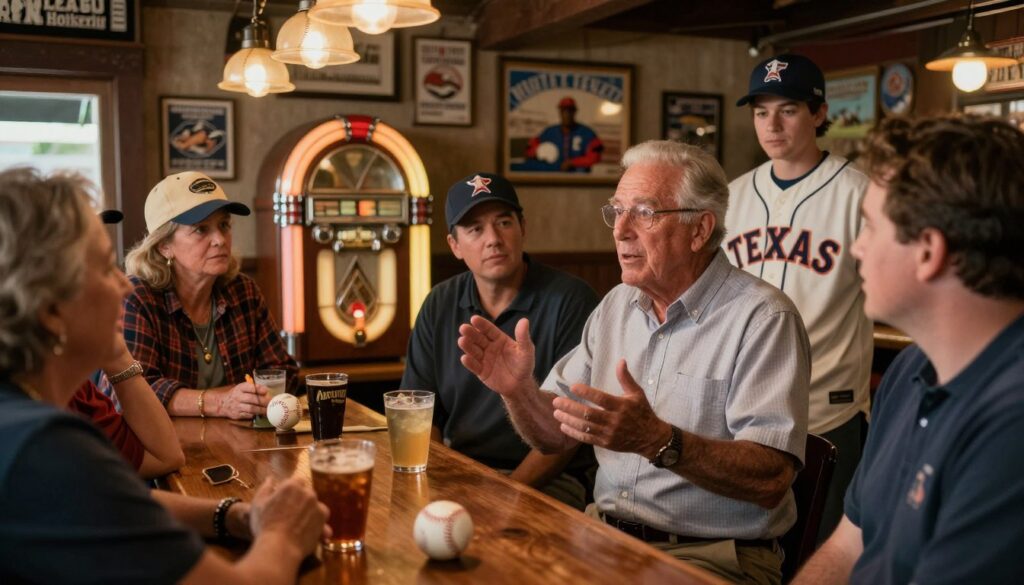
These stories turn games into legends. A fan might remember the exact pitch of a winning home run. An owner might talk about saving a ballpark. These moments make a team part of a town’s identity.
Interviews with figures like Rey Gonzalez and Hector “Cuate” Martinez Jr. show the power of oral history. They add color and emotion to the records. A player’s story about a bus breakdown connects the team to a place and time. A fan’s memory of games with a grandparent links baseball to family.
Over time, these stories become local folklore. They are tales told and retold, creating a shared language. This folklore does more than entertain. It makes the team a part of the town’s heart and ongoing community pride.
The act of remembering and sharing shows community pride. When a community values its stories, it shows the importance of its past. This history connects old and new residents. It explains why a minor league team can inspire such loyalty. The Texas League history is in the voices that keep memories alive.
Keeping these oral histories ensures the league’s human impact is never forgotten. It shows that community pride comes from shared experiences, not just wins. The legacy of the Texas League lives in stories as much as in sports.
Legacy in Today’s MiLB Landscape
The Texas League’s history is more than just numbers. It shapes Minor League Baseball today. Cities like Midland and Corpus Christi carry on a legacy that’s over a century old.
These cities are the heart of their minor league towns. They build a pride that goes back generations. Fans feel this connection, as shown in the “Hometown Teams” exhibit.
New ballparks in Round Rock or Wichita Falls are more than just stadiums. They’re key to bringing communities together. They help revitalize local economies, just like old ballpark main streets did.
Keeping classic team names alive brings back memories. It’s like preserving fastpitch traditions. Communities work hard to keep these stories alive.
Fans of teams like the San Antonio Missions or Amarillo Sod Poodles are more than just spectators. They help keep the league’s story alive. The Texas League’s true legacy is the deep connection it creates.
A hometown team is essential for remembering a community’s history. It helps define who they are and where they belong. The league’s history is a big part of these towns’ identities.