Before air conditioning conquered the Texas heat, our state was building baseball temples that tested human endurance. Think wooden bleachers, mosquito swarms, and dreams bigger than the summer sun.
Houston’s Colt Stadium became the stuff of legends – for all the wrong reasons. This “temporary” solution lasted longer than most marriages, hosting future MLB stars while battling nature’s worst offerings.
At the same time, Dallas was quietly building its own baseball empire. North Texas expansion wasn’t just about teams – it was about creating breeding grounds for talent and spectacular failures alike.
This was Texas baseball’s awkward teenage phase. Big dreams, questionable facilities, and growth spurts that would eventually shape America’s pastime in the Lone Star State.
Standout Forgotten Teams
Texas baseball history is filled with teams that never made it. These teams were more than just clubs; they were a part of the local culture. They captured hearts before disappearing into the shadows.
The Houston Buffaloes were a key team for nearly 60 years. They were not just a minor league team. They were the farm team for the Cardinals and produced stars like Dizzy Dean. The Buffaloes eventually became the Astros.
There’s a part of baseball history we often overlook. Teams like the Black Buffaloes and Black Eagles played under Jim Crow laws. These teams showed incredible talent despite facing racism. They were more than just teams; they were places where Black baseball talent thrived.
Why did some teams capture our hearts while others disappeared? It’s simple:
- Economic pressures made small-market baseball hard to keep up
- Demographic shifts left ballparks empty as suburbs grew
- Cultural priorities made Friday night football more popular than baseball
These teams are more than just footnotes in history. They teach us about the challenges of minor league sports. Some teams folded because of TV, while others disappeared as cities grew.
The irony is that these teams had better talent than today’s minor leagues. Back then, baseball was more than a game. It was a community event, a weekend ritual, and a source of pride.
The legacy of these teams is fascinating. The Houston Buffaloes’ transformation into a major league team shows how some teams adapted. The stories of segregated teams remind us of the talent that existed outside the mainstream.
Texas may have forgotten these teams, but their impact is felt today. They proved baseball could thrive in Texas long before the Rangers or Astros. These teams were the pioneers and sometimes the casualties of baseball’s journey south.
Colorful Personalities
If baseball is theater, then Texas minor leagues were like Shakespearean dramas. They had characters from a Cormac McCarthy novel. These weren’t just team owners and players—they were visionaries, pioneers, and sometimes, a bit crazy.
Take Judge Roy Hofheinz. Before he changed sports with the Astrodome, he ran teams in tough places. He saw a chance where others saw swamps. His dream was so big—it was almost too big to be real.
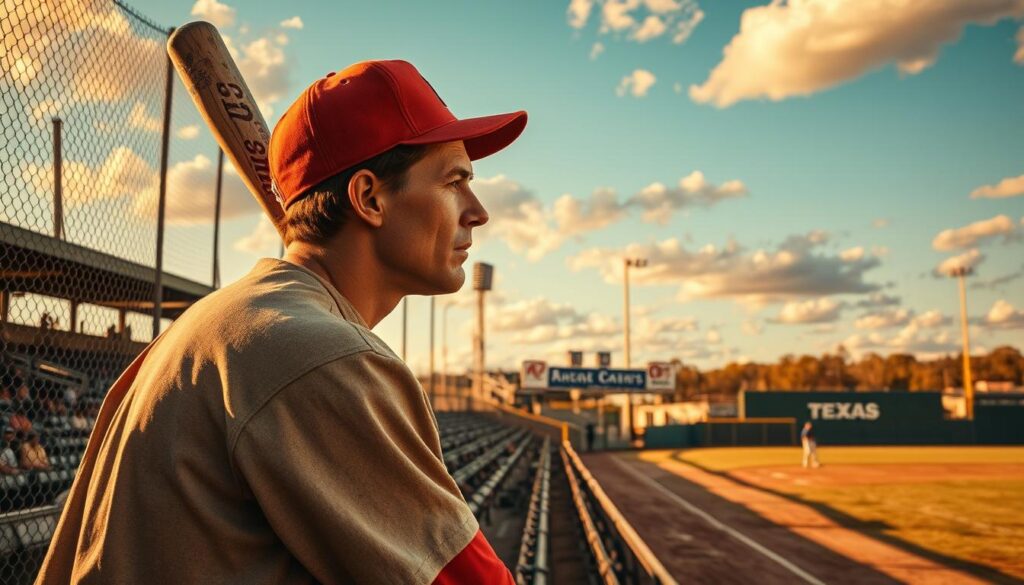
In 1954, Buffalo Stadium saw history with players like Bob Boyd and Willard Brown. They weren’t just athletes; they were also civil rights heroes. Their bravery changed Texas baseball history despite facing a lot of prejudice.
The owners were unique too. They thought they could sell baseball in places that loved rodeos and football more. Their plans were like dreams that seemed too good to be true. One owner thought night games would fix Houston’s humidity. They didn’t.
What made these personalities stand out was their mix of:
- Ambition that was almost too much
- Showmanship that was unmatched
- Stubbornness that was truly Texas
These figures didn’t just run teams—they were the face of an era. Their stories, kept in places like the SABR research collection, show how minor league baseball was more than a game. It was theater, business, and social commentary all mixed together.
Looking back, we must admire their vision and wonder about their sanity. Anyone who thought playing baseball in Houston’s summer was smart either had amazing air conditioning or needed help. Yet, without these colorful characters, Texas baseball history wouldn’t be as fascinating.
In the minor leagues, the personalities off the field often shone brighter than the game itself. And in Texas, they did it with flair, hard work, and just enough madness to remember.
Fan Stories
While major league teams build monuments, the heart of baseball beats in minor league Texas. Here, fans didn’t just watch games; they lived through them.
Colt Stadium was more than a ballpark; it was a place where fans sweated together. The Houston heat tested everyone’s limits. Families came prepared with sunscreen, bug spray, and lots of water.
Businessmen saw these games as networking chances, with a side of sunburn. Deals were made between foul balls, and contracts signed with sticky hands. The heat was a key part of the deal-making.
Children experienced their first heartbreaks here. Their heroes were not stars but players who might leave anytime. They learned early about the value of loyalty.
The concession stands were more than just food and drinks. They sold survival items like mosquito spray and electrolyte packets. It was a way of life.
Family traditions grew from these challenges. Seventh-inning stretches became a time to rehydrate. Grandparents taught kids about the best seats and how to cheer through the heat.
These stories show a unique culture of Texas sports fandom. Fans showed incredible loyalty, knowing their team might leave anytime. They cheered for the love of the game, no matter the odds.
Minor league Texas fandom is the truest form of sports love. It asked for everything and gave nothing in return. And somehow, that was enough.
Why They Disappeared
Let’s be honest – nobody dreams of running a failing baseball franchise. Yet, Texas became a graveyard for defunct teams that couldn’t survive. The disappearance of these clubs wasn’t random. It was a perfect storm of market forces, demographic shifts, and bad timing.
Major League Baseball’s expansion in the 1960s-90s hurt minor league markets. Why watch Triple-A talent in Waco when you could go to Houston? Television made staying home more appealing than sweltering in cheap seats.
Demographic shifts hit urban stadiums hard. As white flight accelerated in the 1970s, teams like the Dallas-Fort Worth Spurs found themselves in declining neighborhoods. Suburbanization created new markets while killing old ones, leaving defunct teams behind.
Economic factors were brutal. Here are three case studies:
- The Austin Senators collapsed when their ownership lost millions in oil speculation
- The Temple Eagles’ stadium flooded three seasons in a row, washing away their finances
- The Beaumont Exporters couldn’t survive Walmart’s arrival, which decimated their downtown
Some defunct teams failed despite good attendance. The San Antonio Missions averaged 4,000 fans per game in 1987. But rising player costs and stadium maintenance expenses created a financial death spiral. Minor league baseball became a business where breaking even felt like winning the World Series.
Texas’ rapid growth created both opportunities and casualties. New suburbs wanted shiny ballparks with luxury boxes, not historic venues. The business of baseball proved just as important as the game itself – maybe more important. For every success story, there were two defunct teams that became cautionary tales about market saturation and changing consumer preferences.
The numbers tell a sobering story. Between 1950-2000, Texas gained 15 million residents but lost 23 minor league franchises. That’s not coincidence – it’s capitalism. The state’s economic boom created winners and losers, with baseball teams often caught in the middle.
Weather didn’t help either. Sitting in 100-degree heat watching Single-A baseball ranks slightly below root canals in entertainment value. Teams that couldn’t afford stadium upgrades (namely air conditioning) found Texas summers merciless business partners.
Ultimately, these defunct teams disappeared because baseball stopped being just a game and started being a business. The romantic notion of local teams serving local communities collided with economic reality. Those that adapted survived; those that didn’t became footnotes in Texas sports history – fascinating relics of a bygone era when baseball was simpler, if not more sustainable.
Their Influence
These forgotten teams may not have lasted long, but their impact was huge. It’s like barbecue sauce on a brisket – their influence spread through baseball.
Buffalo Stadium’s 1954 integration was a big deal. It showed America’s fight for civil rights on the baseball field. While Jackie Robinson made history in Brooklyn, these Texas teams worked quietly for integration. Their story shows change often starts in the minor leagues, where the stakes are lower but the impact is bigger.
The Houston minor league clubs developed players that became MLB’s secret weapon. They created the farm system approach that’s now standard. This method helps develop talent locally, test strategies regionally, and then deploy nationally. Today, teams use the templates these Texas teams created decades ago.
Even their failures taught valuable lessons. The open-air Houston stadium, which turned day games into sweat lodges, taught a lesson. Today’s retractable roofs and smart scheduling are thanks to those sun-struck pioneers.
These teams also showed that baseball can thrive in new markets. They paved the way for teams in Arizona, Colorado, and Florida. The economic models they tested in Texas minor leagues are now used by MLB for growth.
Modern ballpark entertainment, like games between innings and themed nights, comes from these teams. They knew that baseball is more than a sport. It’s a three-hour break from reality.
The real history lesson is that nothing in baseball truly disappears. These teams may be gone from records, but their innovations, mistakes, and wins live on. They’re the spirit behind every pitch clock, analytics department, and summer night under the lights.
Conclusion
So what’s the real legacy of these minor league Texas experiments? Their history isn’t just a graveyard of defunct teams—it’s a blueprint.
These clubs were Texas in microcosm: big dreams, wild execution, and endings that were less failure and more field research. They showed that baseball here thrives on intimacy, chaos, and the sweat of ambition.
You can feel their influence in every Frisco RoughRiders game, every prospect climbing the ladder. They turned minor league history into a living lesson.
Maybe these teams weren’t meant to last. They were the necessary ghosts in Texas’ baseball laboratory—staying in our collective memory. And honestly, they’re probably sweating.