Imagine the dusty fields of Texas buzzing with life beyond drilling rigs. The early 20th century saw a huge economic boom. This was thanks to the discovery and extraction of black gold.
This growth changed communities in big ways. Companies like SM Energy, started in 1908 as a cattle ranch, became key parts of local life. They shifted to oil and grew fast.
These companies did more than just pay their workers. They invested in their well-being. One cool way was through sports. Many teams were sponsored by these companies.
For workers, these teams were a fun break from oil field work. For companies, they were a smart move. Sports boosted morale and loyalty in company towns. They also promoted the company brand well.
This created a special culture. Wealth from oil funded sports and community activities. The story of these teams is about hard work, identity, and American spirit.
Why Companies Sponsored Ballclubs
Oil companies in remote Texas fields used a semi-pro baseball team as a tool. It helped solve human problems before HR departments existed. These sponsorships were a direct investment in their most valuable asset: their people.
Workforce stability was the main reason. Life in an oil boomtown was tough, isolated, and often dull. Companies needed more than just a paycheck to attract and keep skilled workers. A spot on the company team provided a recreational outlet and a sense of belonging.
This strategy reduced costly turnover. A good team in the semi-pro Texas circuit became a major perk.
Public image was also key. Early oil companies faced reputations as rough and transient. Sponsoring a ballclub showed stability and generosity. It demonstrated a commitment to the community, not just mineral rights.
This helped smooth relations with local businesses and residents. It built essential goodwill in the fragile social ecosystem of a boomtown.
| Primary Motivation | Business Goal | Benefit to Workers | Benefit to Community |
|---|---|---|---|
| Workforce Retention | Reduce turnover & attract talent | Recreation, camaraderie, extra income | Stable population of employed residents |
| Public Relations | Improve corporate image & local relations | Pride in representing the company | Visible sign of company investment |
| Community Integration | Become a permanent, valued local entity | Social connections beyond the worksite | Entertainment and local rivalry |
| Prestige & Competition | Outshine rival firms in the semi-pro Texas leagues | Competitive outlet and athletic achievement | High-quality local sports entertainment |
For the roughnecks, roustabouts, and geologists who played, the team provided a powerful identity. They weren’t just anonymous laborers. They were the “Company Wildcats” or the “Refinery Giants.” This pride turned employees into ambassadors.
Their conduct on and off the field reflected directly on their employer. Winning games boosted company morale in a way a memo from headquarters never could.
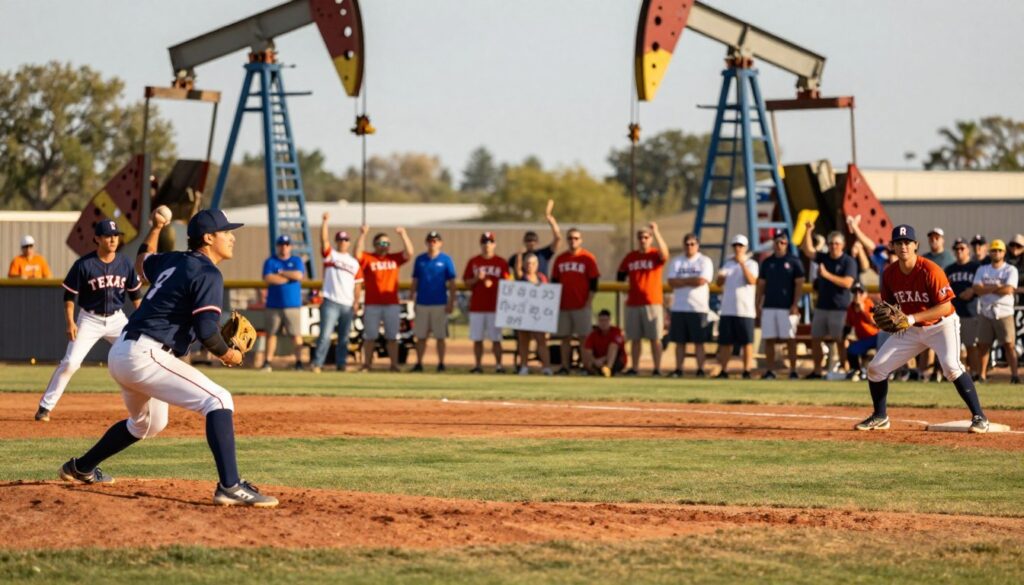
The competitive fire of these company teams also fed corporate prestige. Beating a rival’s squad on the diamond was a public victory. It showed which company had the better men, fostering a powerful esprit de corps.
This industrial baseball was serious business. It connected directly to the deep roots of baseball in. The passion for the game provided a perfect platform for companies to achieve their strategic goals across the semi-pro Texas landscape.
Travel, Barnstorming, and Pay Envelopes
Oil rigs and paychecks weren’t the only thing workers had. A unique athletic circuit emerged, with bus travel, barnstorming tours, and extra cash. For those on company teams, baseball was a second job with a demanding schedule. It mirrored the oil industry’s extensive logistics, connecting isolated areas through sport.
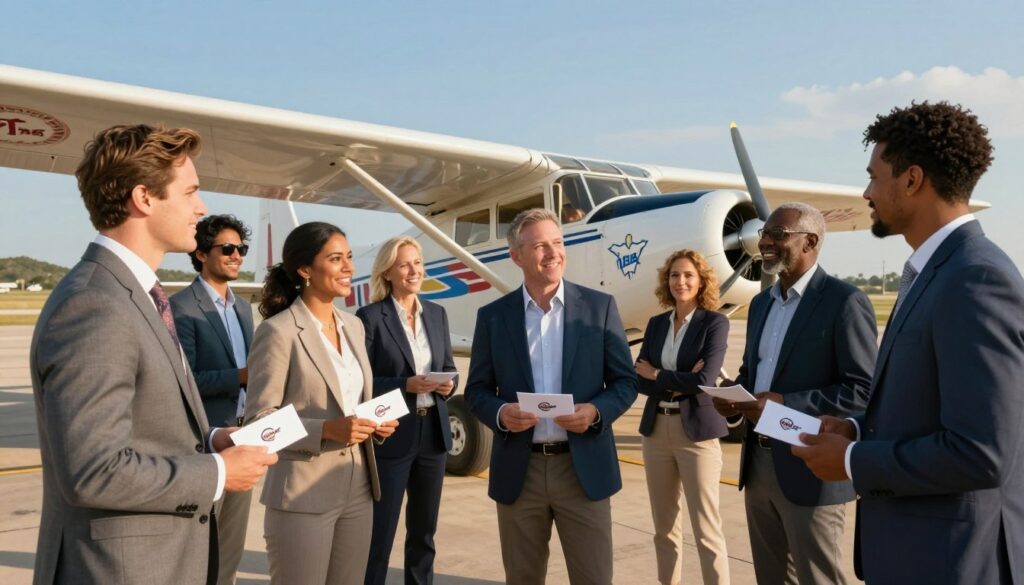
Teams traveled by bus or train to play games wherever they could find a field. A typical weekend might include a game in their home town on Saturday and a game hours away on Sunday. These journeys were tough. Dusty roads, breakdowns, and late-night returns were all part of the grind.
This constant movement led to organized barnstorming tours. Squads traveled through a region, playing games in different towns. These tours showcased local talent and provided fierce competition. They also helped brand the sponsoring oil company.
Players were rewarded with extra money in their pay envelopes for playing. This created a semi-professional model where sports earnings supplemented a worker’s income. A skilled player could significantly increase his weekly pay.
The system blurred the line between amateur and professional athletes. These men were oilfield workers first but were paid for their athletic skills. They faced a travel schedule like minor leaguers. This hybrid status fostered a gritty, practical approach to the game.
The excitement of arriving in a new town, playing under makeshift lights, and representing your company created a powerful bond. It was a mobile athletic culture unique to corporate-sponsored clubs. The challenges of travel forged resilience, while the extra pay made the sacrifice worthwhile for team members.
This era of industrial baseball was a story of logistics and motivation. The travel connected communities. The barnstorming built reputations. And the extra money in the envelope fueled a competitive spirit that turned oilfield workers into local legends on the diamond.
Social Life in Boomtowns
Beyond the rigs and roughnecks, oil boom towns thrived on a vibrant social life centered around the ballfield. For workers facing long, dangerous hours, these communities offered more than just a paycheck. They provided a critical escape from the relentless grind.
Boomtowns grew fast, often overnight. This rapid growth created a transient population with few established amenities. There weren’t many places for people to gather and connect. This lack of a stable social foundation made life feel isolating and temporary.
Company-sponsored baseball teams became the perfect solution. They gave these new towns a heart. Games were scheduled events that everyone could look forward to. They transformed empty lots into community hubs where people from all walks of life could meet.
On game days, the entire town seemed to show up. Workers, their families, shopkeepers, and local officials all gathered along the baselines. The crack of the bat was a signal for celebration and camaraderie. For a few hours, the dust and noise of the oilfield were forgotten.
This social outlet was vital. Historical data on oilfield fatalities and harsh conditions underscore why. The need for mental relief and human connection was immense. Sports provided a safe, organized way to build that connection and boost morale.
In many ways, these teams acted as the social glue for chaotic boomtowns. They promoted a sense of belonging and shared identity. This helped to stabilize communities facing the complications of modern oil and gas. The diamond was where a temporary camp started to feel like a real home.
Famous Players Who Passed Through
The Texas oil patch was a surprising place for future sports stars to hone their skills. Before they became famous, many athletes played on semi-pro Texas company teams. These teams were key for young talent back when sports options were limited.
Getting on an oil company team was a big deal for many young men. It meant regular games, a small salary, and a chance to be noticed. The semi-professional world was tough and competitive, just like the top levels of sports.
This circuit was a secret way to find talent. It helped players who would later shine in Major League Baseball and the Negro Leagues. Though records are hard to find, many famous names played in this system.
Rogers Hornsby, a future Hall of Famer, played for semi-pro teams in Texas before his MLB career. His aggressive batting was shaped by the tough competition in oil towns. Stars like pitcher Smoky Joe Wood and Negro League legend Willie Wells also played for these teams.
Playing for these teams was incredibly valuable. Players learned discipline, teamwork, and toughness in a challenging industrial setting. They also got a chance to impress scouts during barnstorming tours.
The impact of these company teams in Texas is clear. They were key steps for local athletes to become national stars. The Texas oil patch did more than just fuel the economy; it fueled dreams.
Echoes in Today’s Industrial Leagues
The tradition of oil patch company teams did not vanish. It evolved. Today, modern energy firms keep the spirit alive in new ways.
Companies like SM Energy, EQT, and BPX Energy are big on community and employee programs. They support local youth sports and build recreational facilities. This shows their commitment to the community, just like the old days.
Employee wellness is a big deal. You’ll find corporate softball or bowling leagues everywhere. These teams help build friendships and support worker health.
While direct sponsorship of semi-pro ballclubs is rare, the legacy lives on. It shows up in corporate tournaments and community partnerships. This shift highlights a focus on social responsibility.
The echoes of the oil boom era are clear. The mix of industry and sport shapes local culture. The idea of company teams building community is as strong as ever.