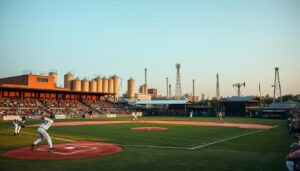
In the heart of Texas, a special athletic identity is created. It goes beyond just Friday night lights. The game’s culture is deeply connected to the universities in Texas.
Universities like the University of Texas, Texas A&M, TCU, and Rice are more than sports teams. They are cultural icons. Their teams reflect the spirit of their communities and the competitive spirit of Texas.
This influence comes from a long history of growth and legendary leaders. It’s seen in famous venues that become local landmarks. The journey from college star to pro player is a tradition celebrated across Texas.
The impact is felt at every level of play. It builds on the deep roots in Texas high school. Together, they create a strong, self-sustaining ecosystem. NCAA teams here don’t just play games. They build a lasting legacy for baseball in America.
Postwar Growth of NCAA Baseball in Texas
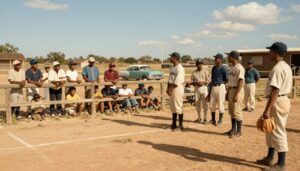
After World War II, Texas universities jumped into building strong baseball programs. This was a time of economic growth and more students going to college. Baseball in Texas went from a club sport to a varsity sport.
Big schools like the University of Texas (UT) and Texas A&M University (A&M) led the way. They invested in better facilities and coaches. They saw baseball as a way to boost school spirit and compete regionally.
The college sports structure changed too. Texas schools joined the Southwest Conference (SWC). This gave UT, A&M, and others a steady schedule. Athletic scholarships in the 1950s and 60s brought in top talent. Funding from alumni and TV deals also increased.
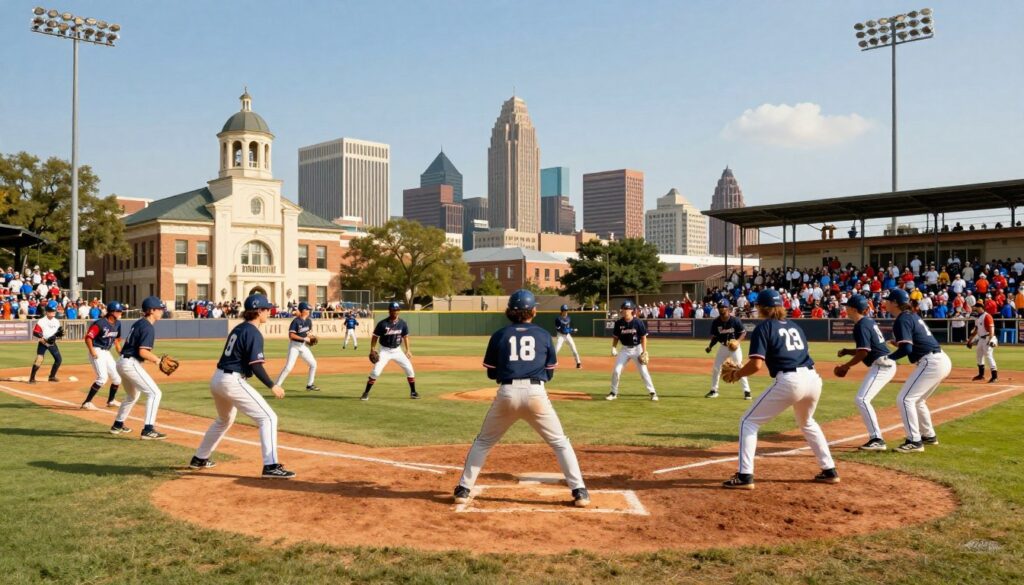
Television made these teams famous across Texas. It turned local stars into state icons. NCAA baseball in Texas became a big deal, not just for fans but for national recognition.
Several key factors helped NCAA baseball in Texas grow:
- Institutional Investment: Dedicated funding for scholarships, travel, and coaching.
- Conference Affiliation: The SWC (and later the Big 12) provided a stable, competitive framework.
- Demographic Boom: A growing population in Texas meant a larger pool of players and fans.
By the 1980s and 90s, Texas NCAA baseball was among the best. This growth laid the groundwork for legendary coaches, teams, and intense games.
Iconic Coaches & Eras (Garrido, Graham, Childress)
Coaches like Augie Garrido, Wayne Graham, and Jim Schlossnagle did more than win games. They built lasting cultures. Their unique philosophies and talent spotting made their programs national names. These leaders marked eras and left a lasting impact on Texas baseball.
Augie Garrido’s arrival at the University of Texas marked a new era. He focused on mental toughness and perfection. Under him, the Longhorns won two national titles in 2002 and 2005.
His teams were known for their small-ball strategy and clutch plays. Garrido set a high standard for UT. His legacy is a culture of excellence, aiming for titles every year.
At Rice University, Wayne Graham worked a miracle. He turned a struggling program into a powerhouse. His focus on detail made the Owls regular College World Series contenders.
Graham was famous for his player development and pitching. He found hidden talent and turned it into stars. The 2003 national title for Rice was his greatest achievement.
Jim Schlossnagle transformed TCU baseball. He took a program with little history to a top-10 team. His modern approach and recruiting put the Horned Frogs on the map.
Schlossnagle made TCU a regular in Omaha. He developed major league talent and created a winning identity. This identity continues to draw top players to Fort Worth.
| Coach | University | Core Philosophy | Defining Achievement | Program Legacy |
|---|---|---|---|---|
| Augie Garrido | Texas (UT) | Mental toughness, small-ball execution | 2 National Championships (2002, 2005) | Set a permanent standard of championship expectations |
| Wayne Graham | Rice | Fundamental precision, pitcher development | 2003 National Championship | Built a perennial power from a previously modest program |
| Jim Schlossnagle | TCU | Aggressive recruiting, modern offensive strategy | Multiple College World Series appearances | Elevated TCU into a consistent national contender |
These coaches saw talent where others didn’t. Their recruiting networks across Texas and beyond brought in top players. They built systems that lasted long after they left.
Their success is studied by coaches everywhere. It showed that with the right leader, any Texas school could reach the top. The culture they built continues to shape Texas baseball today.
Tournament Atmospheres & Traditions
While talent wins games, it’s the unique traditions and electric atmospheres that define the soul of Texas college baseball. The experience inside the state’s iconic ballparks transforms a simple game into a vibrant cultural spectacle.
This passion reaches its peak during fierce rivalry series. Matchups like Texas versus Texas A&M are about more than standings. The air crackles with a tension and pride that only decades of history can create.
Each program boasts its own set of rituals that fans know by heart. These traditions turn spectators into active participants in the game-day drama.
- The “Hook ’em, Horns” salute in Austin, synchronized across thousands of fans.
- Aggie yells and cadences from the Texas A&M student section, creating a military-precise wall of sound.
- Rally props and specific chants that erupt in the late innings, willing the home team to victory.
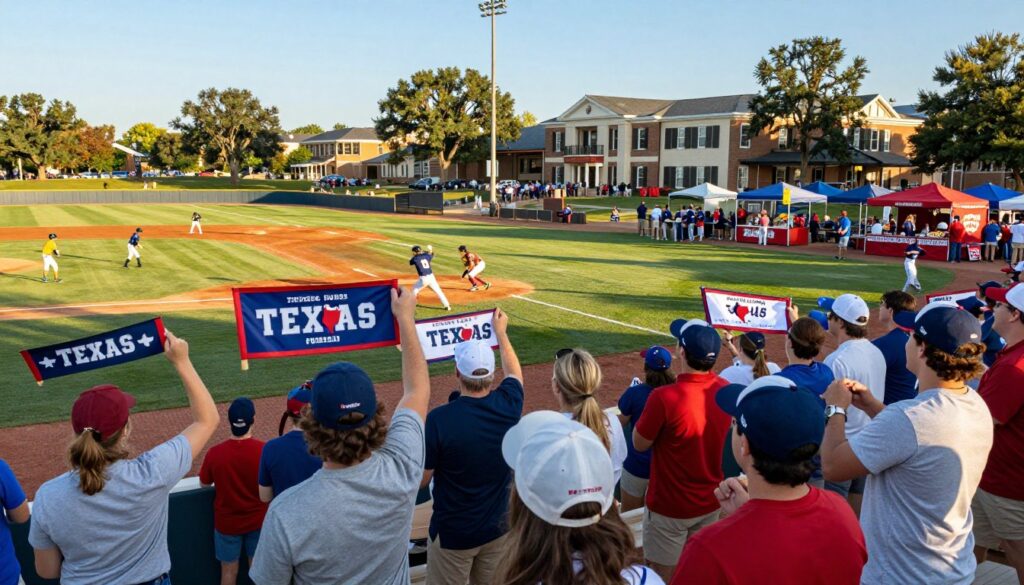
When the NCAA tournament arrives, these environments intensify. Hosting a Regional or Super Regional is a point of immense state pride. Cities like Austin, College Station, and Fort Worth become hubs of excitement.
Local businesses deck themselves in school colors. Hotels fill with traveling fans. The ballpark itself becomes the center of a community-wide festival, where the shared goal of reaching Omaha unites everyone in attendance.
This communal passion is what separates the college game from the professional ranks. The connection between player, student, and alum is tangible. A postseason run is not just a sports story; it’s a unifying cultural event that captures the attention of the entire state.
The memories forged in these charged atmospheres last a lifetime. For players, it’s the roar of a clinching out. For fans, it’s the shared ritual of a victory celebration. This is where the true culture of Texas college baseball lives and breathes.
Ballpark Architecture on Campus
The brick and limestone facades of Texas college ballparks do more than house a diamond. They create an immersive experience that honors the past and looks to the future. These structures have grown from simple fields with metal bleachers into state-of-the-art facilities with a clear triple mission.
Modern stadiums now focus on elite player development, fan comfort, and recruiting. This change is clear across the state.
At Texas A&M, Blue Bell Park is a great example. It blends the program’s traditions with modern fan amenities like premium seating and large concourses. The venue’s size and detail show the university’s commitment to baseball.
TCU’s Lupton Stadium in Fort Worth has also seen big upgrades. It offers an intimate yet electric atmosphere with player-focused facilities. These upgrades strengthen TCU’s identity as a baseball powerhouse.
These parks often use Texas limestone and red brick in their design. This choice creates a sense of place that feels both grand and familiar. Wide concourses and open plazas encourage community gathering, making game days campus-wide events.
Modern features now include:
- High-definition video boards for better viewing
- Climate-controlled club suites and premium seating areas
- Advanced player facilities: training rooms, indoor batting cages
- Landscaped entry plazas that act as community gateways
These ballparks are strategic investments. They solidify a program’s brand and ambition, becoming enduring campus landmarks that attract talent and unite fans. The architecture itself is a silent promise of quality and a testament to Texas’s deep baseball culture.
Civic Impact of CWS Runs
A College World Series run is more than just a game. It brings economic benefits to host cities and university towns. Hotels get full, and restaurants and local shops see more customers.
These deep runs also build civic pride. Winning a championship is a shared achievement for alumni and locals. Rice University’s 2003 title is a great example, boosting Houston’s pride.
Success stories inspire young athletes in Texas. They see the path from college to the national stage. This strengthens baseball culture across the state.
College baseball in Texas is more than a game. It drives community engagement, boosts the economy, and inspires athletes. The impact of a trip to Omaha lasts, making Texas sports richer.