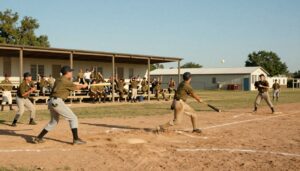
Imagine the Texas sun as a hot coin in a blue sky. It beats down on a diamond made from Texas earth. The air shimmers, and the only sounds are the bat crack and the crowd roar. But look closer at the field.
The players, the pitcher, and the catcher are all women.
This isn’t from an alternate history. It’s a forgotten chapter of baseball. A story of grit and curveballs played on early Texas fields. While major leagues get the spotlight, a different game was played on the edges.
What did it take for a woman to play on a professional field? Society had already written her place in the stands. These women weren’t just playing baseball. They were rebelling, challenging who the game was for.
This is the untold story of women in early Texas baseball. They weren’t just spectators; they were pioneers. Their legacy is more than a score. It’s a curveball to convention, a line drive to the heart of the status quo.
High-Profile Figures
To talk about the women’s baseball pioneers of Texas without the drama is like telling a story without the hero. The real story is about the courage and determination of women who dared to play baseball when told not to. They weren’t just playing a game; they were making a bold statement.
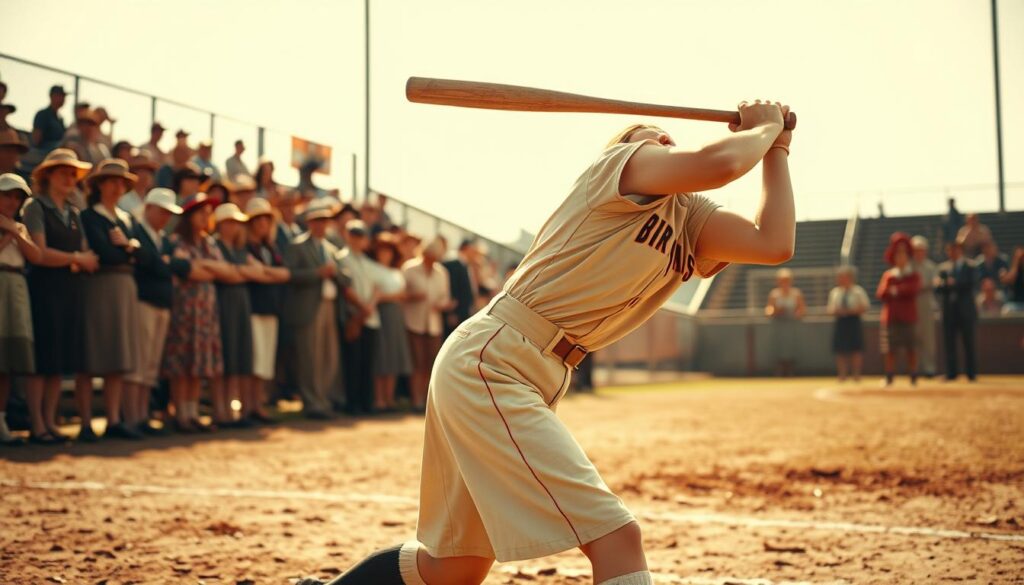
Imagine the Sage, a player who was a true strategist. She wasn’t the biggest or fastest, but her batting was a work of art. Her stance was a bold statement against traditional baseball.
She turned every at-bat into a quiet rebellion, outsmarting her opponents with her audacity. Her game was a commentary on the sport itself, challenging the status quo.
Then there was the firebrand, a power-hitting player who challenged the game’s structure. Every home run she hit was a statement, daring anyone to say she couldn’t play. She was a trailblazer, paving the way for future power-hitters in women’s baseball.
These women were more than athletes; they were pioneers in a male-dominated sport. Their legacy is seen in the female players they inspired, including the Arlington high school star drafted into a new professional league.
Their influence is lasting. It’s in the confidence of young women today, in the growth of women’s baseball leagues, and in the recognition of female athletes as equals. They played to win, but also to change the game and challenge its traditions.
Barriers Broken
To grasp what these women achieved, we must first see the obstacles they overcame. These weren’t just rules; they were the core of mid-century Texas society. They didn’t just play baseball; they challenged the social and economic norms that kept women in their place. Their true achievement was how they outsmarted the system, turning societal norms into their advantage.
The Media Silence & The Invisible Wall
In the 1940s and 50s, sports pages were dominated by men. A boy’s no-hitter got more attention than a women’s league win. This wasn’t a mistake; it was a message. By ignoring them, the media showed that women’s baseball wasn’t “real” baseball. These women played in a void, their skills and determination lost in a cultural silence. They fought to be seen, not just to play.
The Economic Hustle
Forget about big money deals. The biggest challenge was money. They carpooled and sewed their own uniforms. Women’s baseball was a story of economic struggle. They relied on bake sales and local sponsorships, not big budgets. They played on makeshift fields, solving logistical problems with Texan ingenuity. It was a small, passionate startup, not a big-budget operation.
The Respectability Gauntlet
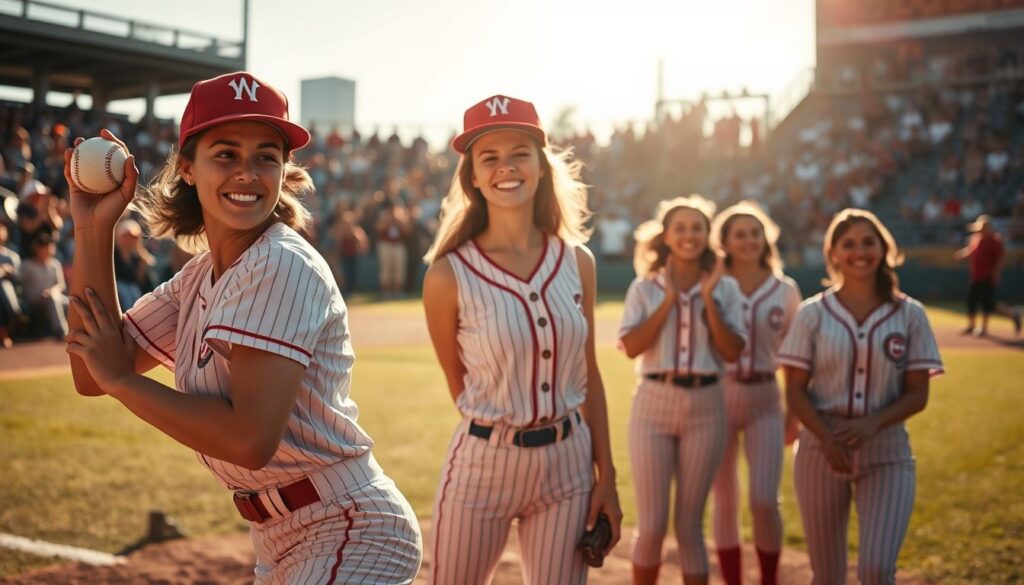
The toughest barrier was respectability. Playing baseball was seen as un-ladylike. They had to be top athletes while facing gendered expectations. They had to be perfect on and off the field to avoid negative labels. It was a constant performance.
Their story is more than just playing a game. It’s about overcoming systemic barriers with Texan grit. They didn’t just play baseball; they changed what was possible for women. Their legacy is in the box scores that were never printed and in breaking the color barrier in baseball as well.
Their Stories and Ongoing Influence
The story of women in baseball is not just about the past. It’s a story with new chapters being written every day. The pioneers of Texas sandlots and AAGPBL diamonds didn’t disappear. They evolved, wearing modern uniforms and fighting for fairness and respect.
From Sandlots to the Main Stage
The journey began a century ago. The female players of the AAGPBL were the first to pave the way. Now, their legacy is seen in the WNBA, the U.S. Women’s National Soccer Team’s fight for equal pay, and the Women’s College World Series.
Their struggle has changed, but the fight remains. Today’s female players are carrying on their legacy. They’re not just fighting for a place on the field. They’re also fighting for equal pay, media attention, and a sustainable career.
This change wasn’t random. Early efforts, like the Houston Astros’ 1960s strategy to attract women, showed a growing recognition of female fans and athletes. The journey continues. The question now is how we give them the stage they deserve.