
Under the Texas sky, a special alchemy happens. It’s not just about building with concrete and steel. It’s about turning dreams into the stadiums of today. This is the tale of the visionaries who see more than just dirt and steel.
The Texas Stadium story started with a vision on paper. What turns Texas dirt into a landmark? It’s a team effort. Architects dream up impossible designs. Financiers turn numbers into steel. Together, they are the Ballpark Builders.
Their project was in Arlington, Texas. It was a stadium project worth $1.1 billion. It was part of a $5.35 billion vision. This included Texas Live!, a hotel, and more. The Ballpark Builders were creating more than a stadium; they were building a new area.
So, what’s needed to build a landmark? It’s the dreamers who see a blueprint as a chance to leave a mark. This is where the story of building and ambition starts.
Construction Stories
Every iconic stadium starts with a simple idea on a napkin and a big financial risk. The journey from idea to reality is filled with challenges. It’s a story of dreams, budgets, and the struggle to overcome physical and financial obstacles.
The Visionary Blueprint and Financial Backing
Before construction begins, a stadium’s design is born from sketches and financial plans. This is where the stadium developers turn their ideas into reality. They must convince cities, banks, and the public to support their vision.
The Dream and the Deal
In the 1960s, stadium developers aimed to build more than just sports venues. They wanted to create landmarks that inspired awe. But, they also had to secure funding, which was a complex challenge.
Financing a stadium is like a high-stakes game. It involves public bonds, private money, and promises from local governments. The Spruce Grove ballpark project is a recent example of this delicate balance.

But, reality often clashes with dreams. The innovative roofs that looked great on paper turned out to be a headache. They required constant maintenance, a lesson learned the hard way by stadium developers.
The harsh reality of construction costs and engineering rules soon became apparent. Stadium developers had to manage high costs and follow strict engineering standards.
The Build: Triumphs and Headaches
The groundbreaking is a moment of celebration. But the real work begins after that. It’s a long journey of solving problems.
Engineering the Impossible
The 1960s saw incredible engineering feats in stadium design. Stadium developers and engineers created roofs that seemed to defy gravity. They used tension cables to fight against sagging and swaying.
Yet, these marvels came with a price. They needed constant adjustments, adding to the long-term costs of such projects.
Budgets, Delays, and On-the-Fly Fixes
No project is immune to challenges once it starts. The budget changes, and unexpected issues arise. Weather, labor disputes, and hidden problems can cause delays and cost overruns.
The key to success isn’t just staying within budget. It’s about being able to adapt and find solutions quickly. Stadium developers need a team of problem-solvers to overcome obstacles and meet deadlines.
Signature Features
What makes a legendary ballpark stand out? It’s not just the games. It’s the stage itself. The iconic venues we remember have bold, unique design choices. These choices become their legend.
They’re not just built; they’re engineered for drama and sound. They create an experience that stays with you. It’s not just seats and a field; it’s architectural psychology.
Engineering the Iconic
Some stadiums are built. Others are engineered into existence. The most memorable iconic venues often have a single, defining architectural feature.
More Than a Roof: The Texas Stadium Ceiling
Take Texas Stadium, home of the Dallas Cowboys. Its most famous feature was the sky above it. The stadium’s unique tension structure roof was a daring piece of engineering.
This roof wasn’t a solid lid but a partial, floating crown. It provided partial cover for the wealthy while leaving the field open to the elements. This architectural quirk earned it the “Pigsty” nickname. But it was a masterclass in creating an identity.
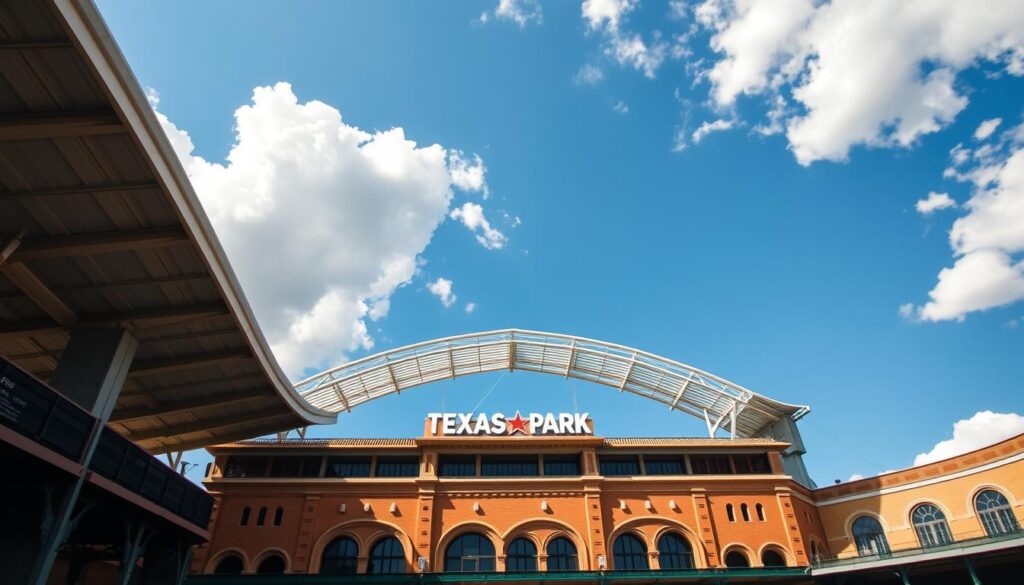
The engineering wasn’t just about keeping rain off the expensive seats. The iconic, partially open roof was an acoustic and psychological marvel. It trapped and amplified the roar of the crowd, creating a cauldron of sound.
The sound of cheering fans echoing under that expansive canopy wasn’t just noise. It was a weapon. It was a perfect storm of physics and fan energy, inspiring future visionary stadium developers for decades.
The Fan Experience: More Than Just a Seat
Great stadiums are designed from the stands outward. The fan experience is choreographed long before the first ticket is scanned. It’s in the sightlines, the legroom, and the ease of getting a hot dog.
A great stadium makes you feel like you’re in the game, not just watching it. The sensory details—the smell of grass and popcorn—are all by design. It connects the modern coliseum to the community fields of the past, much like the early grassroots fields where legends were born.
The Devil (and the Genius) is in the Details
Beyond the grand gestures of roofs and facades, the soul of a venue is in its minutiae. The genius is often in the details you don’t consciously notice but would feel the absence of.
Consider the use of materials. While one stadium might use a unique tension structure for its roof, another might use glass and aluminum for a transparent feel. The Vienna Post Office Savings Bank building, for instance, wasn’t a stadium, but its use of glass block and aluminum was a radical statement in transparency and light.
The choice of material isn’t just structural; it’s psychological. Cold, imposing concrete sends one message; transparent, light-filled concourses send another. The details, from the width of a concourse to the placement of a handrail, are what transform a structure into a memorable venue.
Here’s how the devilish details of iconic venues often compare:
| Stadium | Signature Detail | Material/Feature | Psychological & Sensory Impact |
|---|---|---|---|
| Texas Stadium | Open-center, cable-supported partial roof | Steel, Teflon-coated fabric, concrete | Created a focused, deafening home-field advantage; the “hole in the roof” became an iconic, defining trait. |
| Astrodome (“8th Wonder”) | First large-scale domed stadium | Steel-latticed dome, originally with transparent panels | Eliminated weather, controlled environment, but grass died; led to artificial turf. A marvel that created its own problems. |
| Fenway Park | The Green Monster (37-ft left field wall) | Wood, tin, and now scoreboard tech | Creates unique in-game strategy, iconic silhouette, and a target for right-handed hitters. |
| Modern Retractable Roof | Glass, steel, and moving parts | Steel, glass, complex hydraulics | Offers weather protection and an “open-air” feel, merging indoor safety with outdoor atmosphere. |
In the end, the iconic venues we remember aren’t remembered for their concrete. They’re remembered for their character. They are stages for human drama, and their design—from the grand sweep of a roof to the choice of a railing—writes the first line of every story told inside them. It’s not just engineering; it’s the engineering of emotion.
Ballpark Legacy & Modern Preservation Efforts
Every stadium has a story from start to finish. Its last chapter is often about keeping memories alive while moving forward.
From Landmark to Landfill? The Stadium Lifecycle
What happens to a sports temple when it’s no longer needed? Often, it’s torn down, leaving only memories. Texas Stadium, for example, was a groundbreaking design but was eventually demolished. This struggle between keeping stadiums standing and moving on is a big part of ballpark history.
The Wrecking Ball vs. The National Register
The value of a stadium’s land can be more than its history. Preservationists fight to save these landmarks, seeing them as cultural treasures. But, the push for new, profitable stadiums often wins out, leading to the demolition of old ones.
Adaptive Reuse: Stadiums in Their Second Act
Not all stadiums meet the wrecking ball. Some are repurposed, keeping their essence while changing their use. This approach allows for a new chapter without losing the old one.
The Blueprint for the Future
Today’s stadium builders learn from the past. Texas Stadium’s legacy isn’t just its design, but the lessons it teaches. It shows that a stadium is more than just a building; it’s a community hub.
Lessons Etched in Concrete and Memory
A ballpark’s true value lies in its impact, not just its wins and losses. It leaves architectural marks, builds community, and creates unforgettable moments. This raises important questions about what we value and what we discard. The answers shape our cities and our memories. For more on preserving these stories, check out the history of ballparks and efforts to save their legacy.