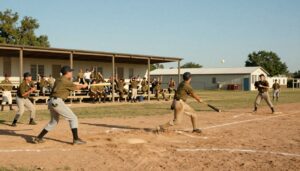
Before analytics became baseball’s holy grail and before Houston dreamed of major league status, there were the Houston Buffaloes. Imagine 1888, when minor league ball wasn’t just development – it was the main event.
These weren’t just players; they were Texas baseball royalty. The Buffs operated with a precision that would make modern front offices blush. Their stadium became Houston’s social epicenter – the place where community and competition collided.
This team built the cultural bedrock for everything that followed. They weren’t just winning games; they were crafting a city’s sports identity from the ground up. How did a minor league squad become so vital to a growing metropolis?
Let’s rewind the tape to when baseball wasn’t just a game in Houston – it was the soul of the city.
Championship Runs
Modern sports fans love winning championships. But the Houston Buffaloes measured success in Texas League pennants. They collected them with the excitement of a stamp collector.
The Buffs’ success wasn’t a fluke. It was thanks to Branch Rickey’s innovative farm system. This system was like a talent-making machine, producing victories.
In 1928, the Buffaloes dominated with a .671 winning percentage. The 1947 team won with such style, boosting Houston’s post-war optimism.
These championship seasons were more than wins. They united a city finding its identity. They gave Houstonians something to cheer about, before social media.
The Buffaloes’ success was a sports incubator for Houston. Their wins built the emotional support for future teams. When the Colt .45s arrived in 1962, they found a city ready for baseball.
So, don’t underestimate minor league wins. The Buffaloes’ story is a key part of Houston’s sports history. They wrote the city’s first sports chapter, one pennant at a time.
Star Players
Modern Houston sports fans often talk about the Astros. But the Buffaloes were quietly building a baseball talent factory. They mastered player development long before analytics and farm systems became common.
Dizzy Dean was more than a pitcher; he was a Texas-sized personality with a 100-mph fastball. His time with the Buffaloes turned raw talent into legendary showmanship. He first learned to command crowds in Houston’s dusty ballparks.
Joe Medwick was a hitting machine who made National League pitchers rethink their careers. His time with the Buffaloes wasn’t just preparation. It was the forging of a Hall of Fame bat that would terrorize opponents for decades.
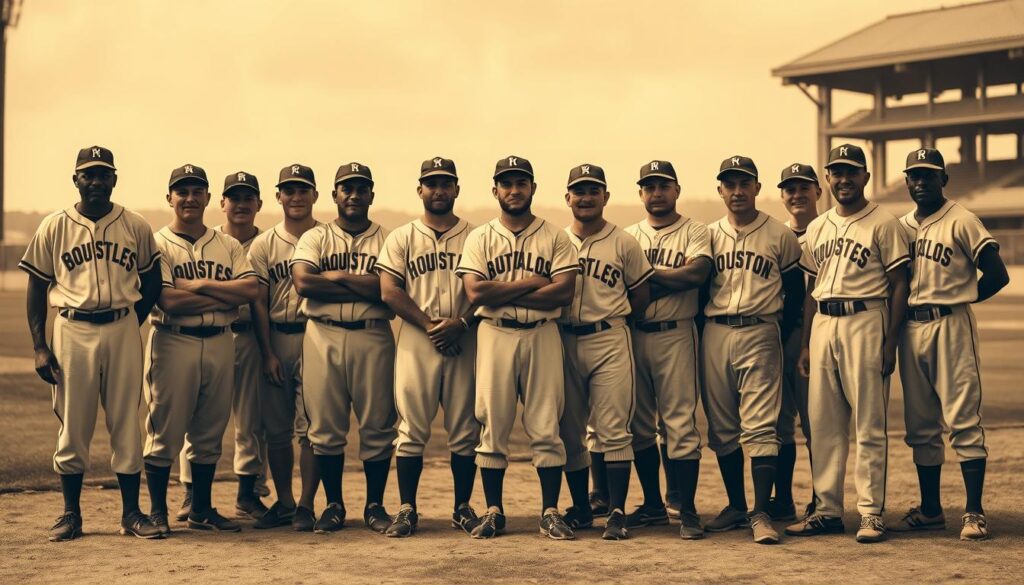
What made Houston a perfect breeding ground for baseball? Three elements created baseball alchemy:
- Texas-sized confidence mixed with Southern work ethic
- Innovative coaches who valued instinct over rigid systems
- A city that treated baseball as religion before it was cool
Houston didn’t just develop players; it cultivated personalities. The Buffaloes understood that greatness needed more than skill. It required charisma, resilience, and that unmistakable swagger that made opponents nervous before the first pitch.
While other teams focused on mechanics, Houston’s secret sauce was psychological. They built athletes who believed they belonged on baseball’s biggest stages. They had already conquered Texas.
The Buffaloes’ legacy isn’t just in stats or championships. It’s in proving that baseball greatness could emerge from humid Houston summers. This was long before air-conditioned stadiums and massive contracts.
Community Impact
Modern Houston has many sports teams, but none like the Houston Buffaloes. They were more than athletes; they were the heart of the city. They helped hold the city together as it changed.
The Buffaloes were key before NASA made Houston famous. Their games were like the city’s town square. Here, business deals were made, friendships started, and pride was shown.
Their impact went beyond just games. Local businesses boomed on game days. Restaurants, bars, and shops planned for the crowds. The Buffaloes helped the whole community grow.
At Buffs games, people from all walks of life came together. In a time of segregation, the ballpark was a rare place of unity. Everyone cheered for their team, no matter their background.
Today, we wonder if any team can match the Buffaloes’ bond with the city. The Astros and Rockets draw huge crowds, but do they unify Houston like the Buffaloes did?
The truth is, minor league teams like the Buffaloes connect with people in a way big teams can’t. They were seen as neighbors and local heroes, not just teams.
For a long time, sports were the glue that held Houston together. The Buffaloes left a mark that lasts to this day. They showed that a team’s real value is in bringing people together.
Stadiums & Fan Culture
Before Houston had its “Eighth Wonder of the World,” we had Buffalo Stadium. It was more than a venue; it was the heart of Houston’s minor league spirit. Here, architecture and atmosphere blended perfectly.
The design was ahead of its time. Unlike today’s stadiums, Buffalo Stadium felt like a community. You could see the players’ faces and hear every sound.
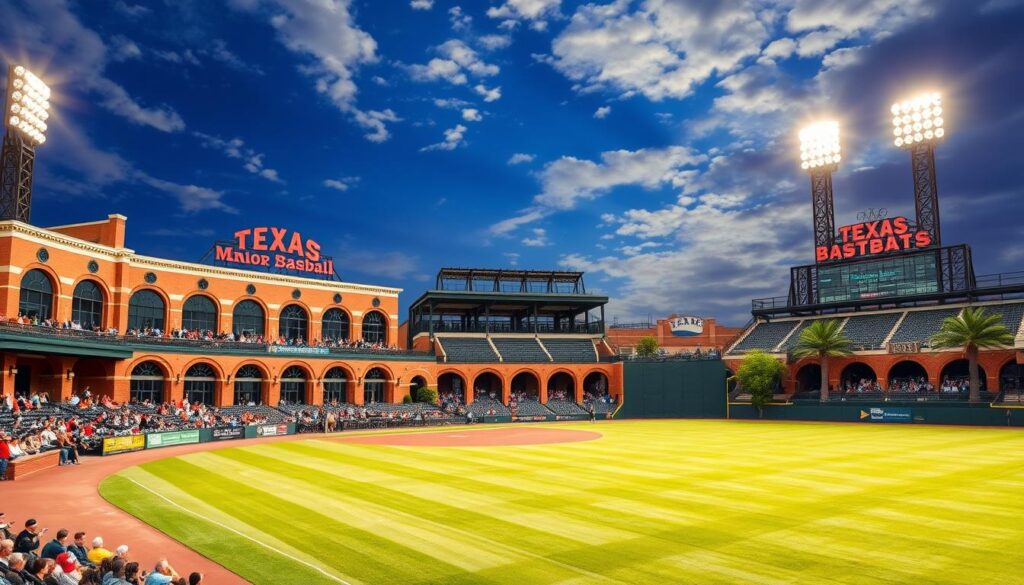
What made Buffalo Stadium special was its people. The fan culture was raw and personal. Fans knew ushers and kids got autographs easily. It felt like a neighborhood party with baseball.
Now, sports feel different:
| Aspect | Buffalo Stadium Era | Modern Ballparks | Impact on Experience |
|---|---|---|---|
| Seating Proximity | 15-30 feet from field | 50-100 feet from field | Players felt accessible and human |
| Ticket Prices | Equivalent to $5-10 today | $30-100+ | Families could attend weekly |
| Fan-Player Interaction | Direct and frequent | Managed and limited | Created personal connections |
| Stadium Design Focus | Sightlines and atmosphere | Premium suites and concessions | Community vs corporate priorities |
Buffalo Stadium’s design influenced future stadiums. Its shape and design made it a model for minor league stadiums.
Today, Houston sports fans miss this connection. We’ve lost the real experience for more amenities. Luxury boxes and jumbotrons have changed the game.
Buffalo Stadium showed greatness in memories and community. The minor league experience was about what the ballpark gave, not what you bought.
What Happened Next?
Ever heard “too good for your own good”? The Buffaloes became baseball’s ultimate example. Their success led to an ironic tragedy – they built themselves out of existence.
Imagine creating the perfect minor league team. Championship wins, devoted fans, and a talent farm. Then, your success makes your city too attractive for the big leagues. That’s what happened in Houston.
The Buffaloes’ dominance filled seats and showed Houston’s baseball hunger to MLB. Their success was the ultimate business case for expansion. They wrote the proposal that would replace them.
Three key factors made Houston ready for the majors:
- Proven market demand through sold-out Buffs games
- Talent pipeline with exceptional player development
- Baseball culture built over decades
In 1962, the dominoes fell. The Houston Astros were born, marking the city’s major league debut. The Buffaloes had worked themselves out of a job through excellence.
Was this progress or cultural erosion? The answer is complex. The Astros brought glamour, but something authentic was lost. The city’s connection to its team changed forever.
| Aspect | Buffaloes Era | Astros Transition | Impact on Houston |
|---|---|---|---|
| Team Identity | Local community anchor | National franchise | Lost neighborhood feel |
| Player Access | Accessible local heroes | Distant celebrities | Changed fan relationships |
| Economic Impact | Local business support | National revenue streams | Mixed economic benefits |
| Cultural Significance | Houston-specific traditions | Generic MLB experience | Some authenticity lost |
The Buffaloes’ story is one of baseball’s great ironies. They achieved minor league dreams, only to become obsolete. Their success paved the way for Houston’s major league dreams, ending their own.
Progress often comes with cultural costs. The Astros brought excitement to Houston, but the Buffaloes represented authentic local baseball culture. Major leagues can rarely replicate this.
Buffaloes in Memory
Memory is a mysterious thing. We forget big chunks of time but remember tiny details from a 1952 Houston Buffaloes game. The team’s legacy isn’t in trophies or halls of fame. It’s in Houston’s heart.
What makes a team live forever while others disappear? The Buffaloes show us through their lasting impact on Houston.
Vintage clothes at places like Diamond Vault keep the spirit alive. Each piece tells a story that goes beyond just remembering. These items connect us across time.
Grandparents share Buffaloes stories with their grandkids, who now watch the Astros. This tradition keeps going, with new uniforms.
Why do the Houston Buffaloes matter today, when the Astros are so big? They show Houston’s baseball heart—the real, raw passion before big money came. They remind us sports are about community, not just winning.
The team’s legacy shows how sports nostalgia keeps culture alive. It’s not about bringing back the past but understanding its impact on today. The Buffaloes live on because they bring us joy.
In a city always looking ahead, the Houston Buffaloes connect us to baseball’s true roots. Their memory isn’t in old books—it’s in Houston’s sports culture.
Conclusion
The Houston Buffaloes were more than just a minor league team. They were the foundation. Before the Astros brought fame, the Buffaloes showed how a team can become a part of a community’s heart.
Their legacy shows that success isn’t just about the league. The Buffaloes became a big part of Houston’s culture. They won championships and helped grow future stars, proving minor league baseball can create unforgettable moments.
In their last years with the Cubs, the Buffaloes kept sending talent to the big leagues. They stayed true to Houston, leaving a lasting mark on the Astros and the city’s sports spirit.
A team’s greatness is not just about its league. It’s about the impact it leaves on a city. The Buffaloes gave Houston a legacy that goes beyond wins and losses, defining an era in sports history.